About Beyond The Spikes
What this project is, who it is for, and what you will find here.
Why did I decide to pursue this project?
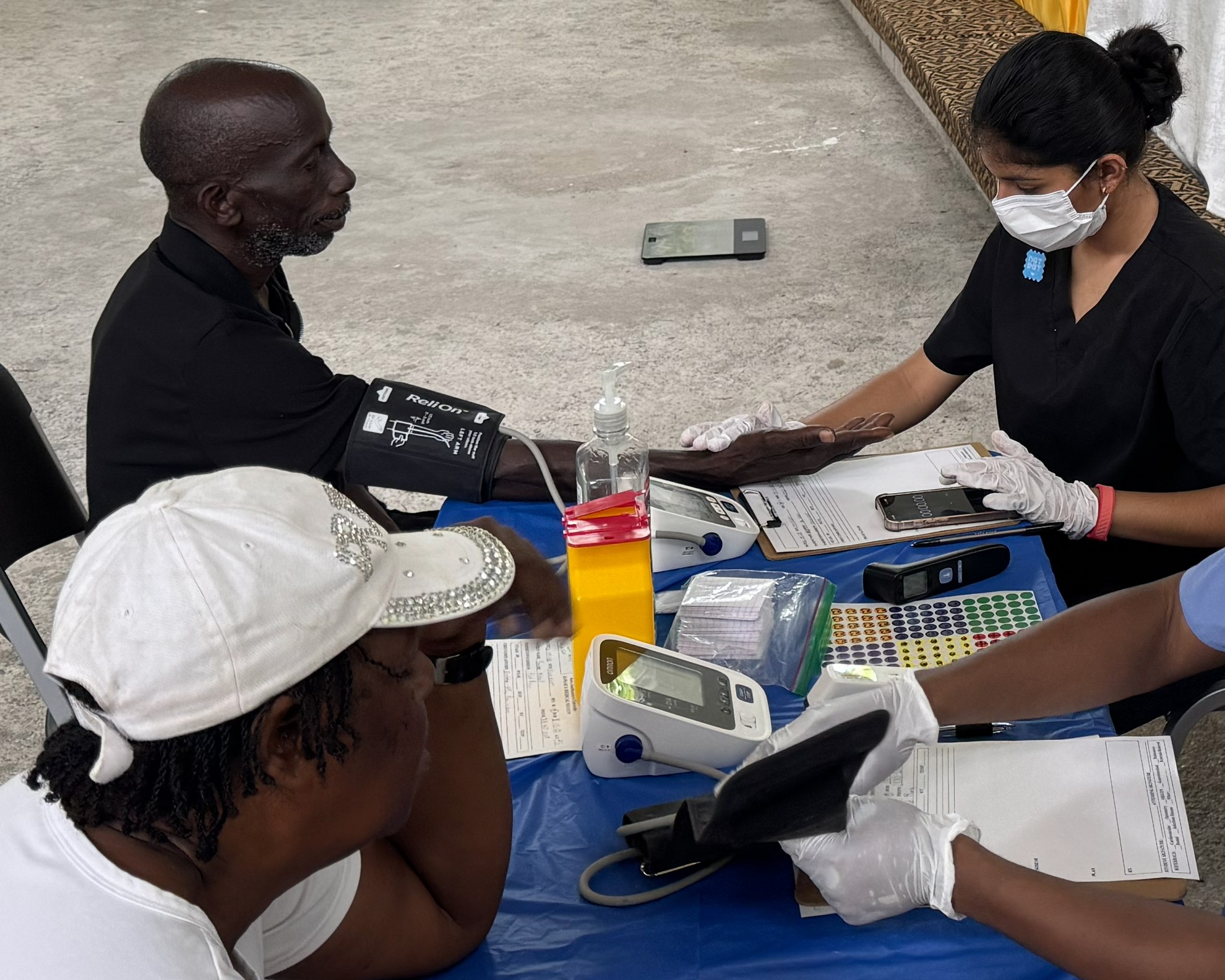
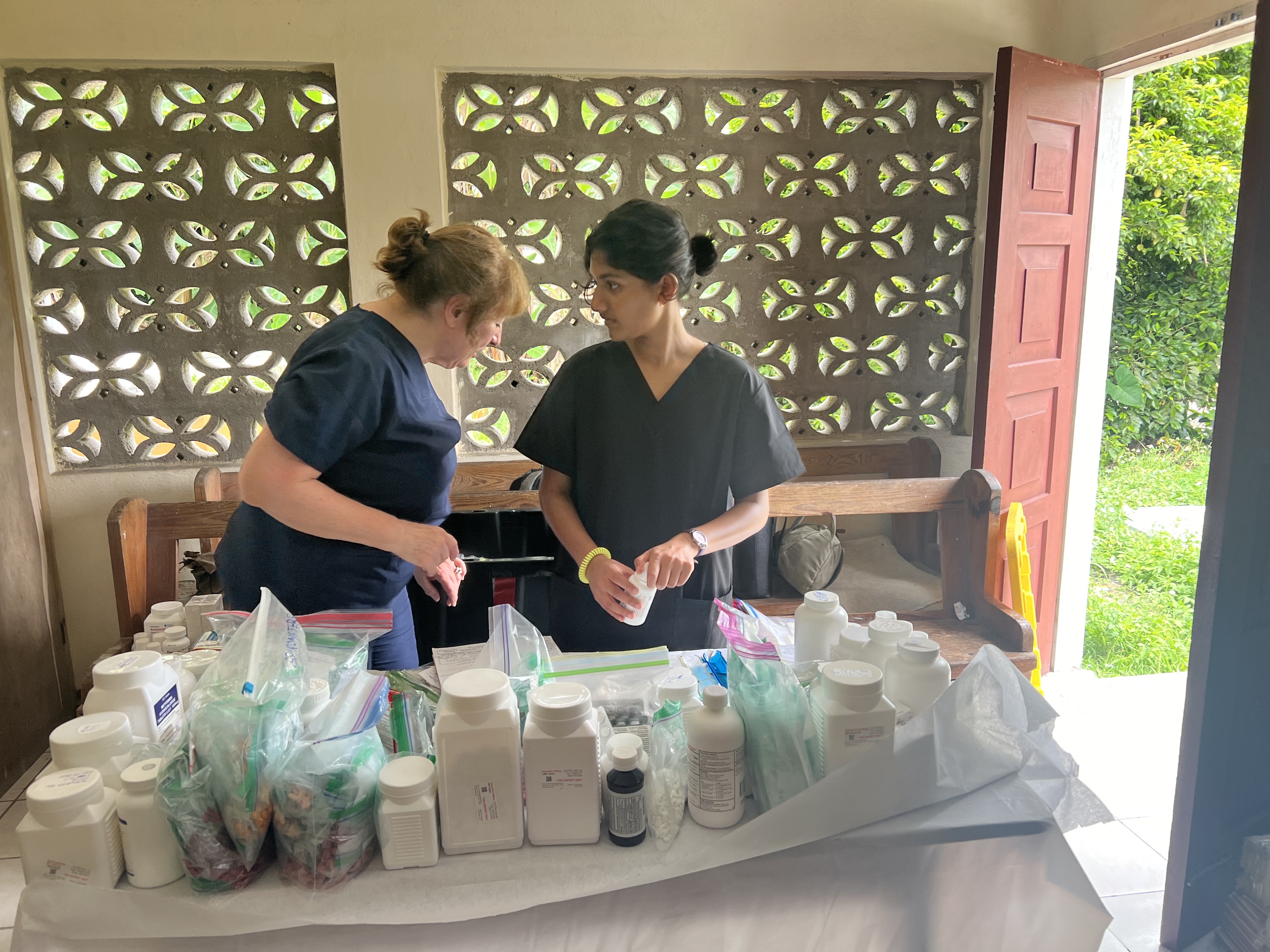
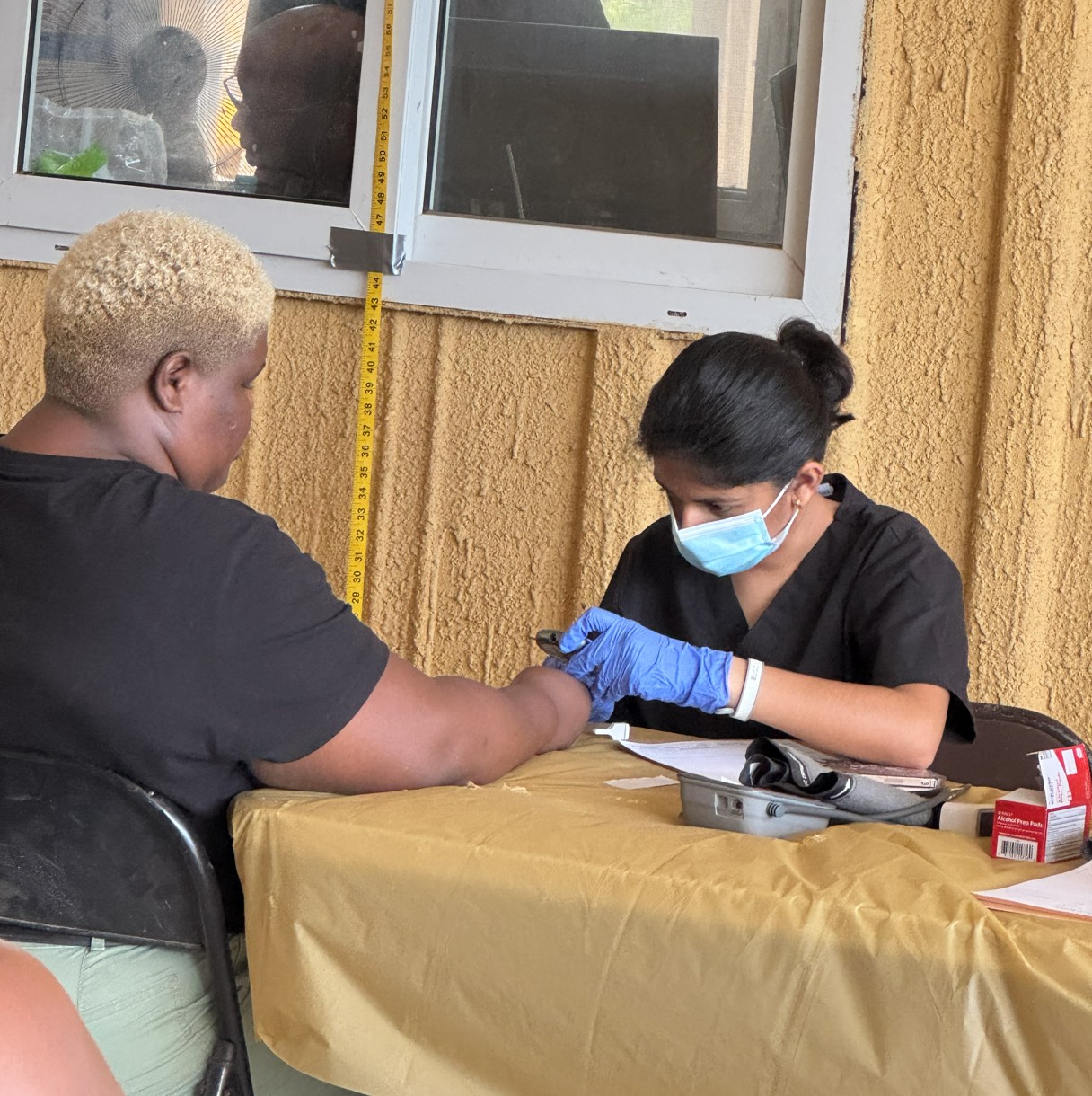
Sitting in a rural church in Jamaica during a medical volunteering mission, I watched healthcare providers deliver treatment in crowded, cramped spaces. But the lack of physical space wasn't what caught my attention most; it was the overwhelming prevalence of chronic conditions such as obesity, hypertension and diabetes. Through discussions with doctors on the mission and patients, I quickly learned that a lack of health education was a driving force behind these high disease rates.
After returning home to San Diego, I noticed a striking parallel within our own underserved communities, which faced a similarly high burden of chronic disease. In these settings, I saw firsthand how crucial it is for patients to understand the biology and mechanisms behind their conditions to navigate their care.
Witnessing this gap across different populations motivated me to dive deeper into the data. My research led me to a 2024 CDC report highlighting a concerning projection for children and teenagers: if current trends continue, Type 1 diabetes cases among youth could increase by about 65%, while Type 2 diabetes cases could skyrocket by nearly 700%. This staggering forecast underscored an urgent truth: we must prioritize health education for the younger generation.
These collective experiences inspired me to create Beyond the Spikes, a passion project focused on improving nutritional health literacy among teens in San Diego. Through this website, we explore the biology of nutrition, identifying foods that cause massive blood sugar spikes, offering healthier alternatives, and empowering young people with the education they need to prevent diabetes before it starts.
What is the Goal?
The goal is not to give generic “eat healthy” advice. Instead, we show how specific meals, ingredients, timing, and portions can influence blood sugar response and energy levels throughout the day.
For teenagers, this is especially important because puberty and changing insulin sensitivity can affect how the body handles carbohydrates. Research also links higher-glycemic diets during these years with increased long-term diabetes risk.
For older adults, the focus is on simple, sustainable nutrition — more fruits, vegetables, whole grains, lean proteins, beans, nuts, and seeds — to support healthy aging and steady energy.
This is a learning platform built on real observation and nutrition understanding — not fear or quick fixes.
What does this website offer?
- Meal Experiments — Real examples of breakfasts, lunches, dinners, and snacks tested with monitoring devices to show how different foods affect glucose patterns and energy.
- Recipe Guidance — Practical recipes built around fiber, protein, and balanced carbohydrates that families can easily cook and repeat.
- Education for Adults & Teens — Simple explanations of blood sugar spikes, glycemic response, smart food combinations, and why the same carb can affect people differently.